
LONDON, UK. November 12th, 2026 – Premium nostalgia, regional heritage, multi-sensory products and a growing number of smaller celebratory occasions are among the trends set to shape Christmas food and drink in 2026, according to experts working with the EU’s More Than Only Food & Drink campaign.
While the traditional Christmas lunch remains firmly at the heart of the season, the occasions surrounding it are becoming increasingly important. Three quarters of consumers planned to enjoy at least one additional celebratory meal over Christmas last year, while 65% of shoppers ‘spent freely’ on food and drink despite cost concerns.
From festive drinks and Boxing Day buffets to workplace gifting, Friendsmas and self-treating, this presents retailers with opportunities across a much broader festive calendar. Authentic EU breads, cheeses, charcuterie and confectionery are well placed to meet this demand, combining recognised quality, regional heritage and traditional production methods with innovative flavours, formats and the convenience shoppers increasingly expect.
Sharing takes centre stage
Gaynor Stokes, industry consultant and meat advisor to the EU’s More Than Only Food & Drink campaign, believes one of the biggest opportunities this Christmas is the continued growth of sharing.
“The sharing and ‘picky bits’ trend we’ve seen growing throughout the summer won’t be disappearing at Christmas; instead, it’s evolving. While the festive lunch remains the centrepiece, consumers will be creating more informal occasions around it, from festive drinks to Boxing Day buffets. Charcuterie is perfectly suited to those moments, bringing together premium cured meats, cheeses, olives and artisan breads in a way that’s relaxed, sociable and easy to share.”
“Rather than simply offering individual deli products, retailers can inspire shoppers with complete grazing solutions that align with the festive demand for elevated, premium ingredients to make occasions feel special. Long-fermented sourdoughs, traditional rye breads and artisan crackers provide the foundation for premium sharing boards, complemented by authentic charcuterie including Prosciutto di Parma PDO from Italy; Jamón de Teruel PDO and Chorizo Riojano PGI from Spain; as well as the lesser-known Jambon d’Ardenne PGI from Belgium, Kraški Pršut PGI from Slovenia and Dalmatinski Pršut PGI from Croatia.
“Displayed alongside olives, roasted peppers, marinated vegetables and artisan preserves, these products encourage shoppers to recreate the relaxed, restaurant-style sharing occasions that increasingly define festive entertaining.”
Stokes adds: “Premiumisation will also continue to be a key trend. Shoppers want to indulge themselves with great-tasting food. This links to confidence in sourcing, welfare and wholesome ingredients, while convenience also continues to play a major role at Christmas.
“Products carrying PDO and PGI status help reinforce those credentials, providing shoppers with confidence in provenance and authenticity while giving retailers compelling stories around craftsmanship and regional heritage.”
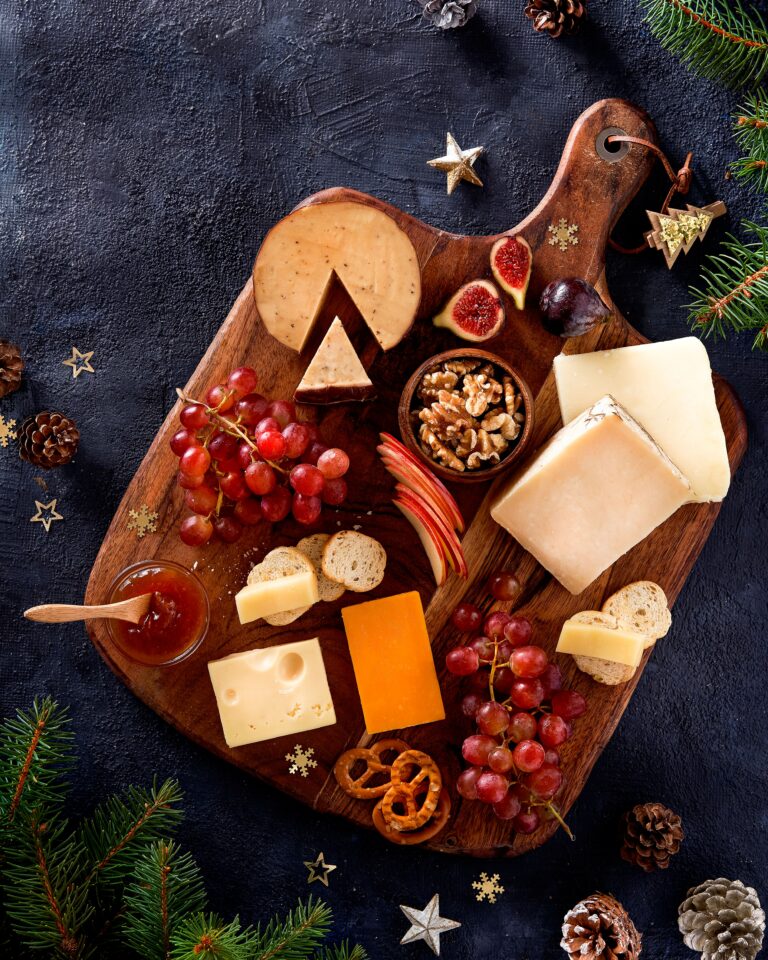
The elevated Christmas cheeseboard
Patrick McGuigan, cheese expert and advisor to the EU’s More Than Only Food & Drink campaign, agrees that sharing will be front and centre of Christmas entertaining, opening opportunities for the classic cheeseboard.
“We’re seeing the summer ‘picky bits’ trend translate naturally into festive entertaining. More people are staying in, opening a bottle of wine and recreating the sort of sharing plates they’d usually enjoy in a restaurant. Cheese sits right at the heart of that.
“While familiar favourites will always have a place, Christmas is the ideal time to encourage shoppers to discover something new. Alongside classics such as Comté PDO from France, celebrated for its rich, nutty flavour and long maturation, and Queso Manchego PDO from Spain, which pairs naturally with membrillo and premium charcuterie, retailers should be looking to introduce more adventurous regional cheeses, including the indulgent Brillat-Savarin PGI and washed-rind Langres PDO from France.
“Truffle cheeses will continue to be popular, especially combined with Brie, Pecorino and Gouda. I’m also starting to see Brie and Queso Manchego PDO with fillings such as wild garlic, pesto, pistachios, black garlic and different types of chili and pepper. Cheeses that have been soaked in alcohol, such as Ubriaco from Italy and Queso de Murcia al vino PGI from Spain, as well as leaf-wrapped cheeses such as Mothais sur Feuille PDO from France and Robiola from Italy, are also gaining popularity for their point of difference and visual appeal.
“Retailers can also add value by inspiring consumers with unexpected pairings that recreate restaurant-quality cheeseboards at home: serving Saint-Marcellin PGI with Noix de Grenoble PDO from France, matching Ossau-Iraty PDO from France with black cherry jam or finishing Parmigiano Reggiano PDO from Italy with aged balsamic vinegar.
“Displayed alongside artisan breads, premium charcuterie, quince paste, crackers and preserves, these combinations help shoppers recreate the sort of curated sharing boards more commonly associated with wine bars and restaurants than home entertaining.”
Premium nostalgia meets sensory innovation
Andy Baxendale, confectionery expert and advisor to the EU’s More Than Only Food & Drink campaign, expects premium nostalgia, sensory texture and gifting-led formats to shape festive confectionery in 2026.
“Christmas confectionery is increasingly balancing heritage with innovation. European classics such as Turrón de Alicante PGI and Jijona PGI from Spain, marrons glacés, pâte de fruits, marzipan and gianduja, align with the shift towards quality over quantity, offering the provenance, craftsmanship and emotional connection shoppers seek at Christmas.
“At the same time, texture is becoming a major driver of product development and innovation. Expect to see more freeze-dried inclusions, layered pralines, crunch-meets-cream formats and interactive shapes featuring across multi-texture boxes, filled baubles, layered truffles and crisp-coated caramels.
“Flavour innovation is also moving beyond simple salted caramel. Miso caramel, black sesame praline, spiced yuzu and savoury-sweet nut combinations reflect growing interest in global flavours and more complex eating experiences. Pistachio, matcha, calamansi, cardamom, caramelised white chocolate and bright sour-fruit notes are also well positioned for festive limited editions.”
Baxendale believes Christmas is also fragmenting into a series of ‘minorstone’ occasions, creating more reasons to purchase throughout the season.
“Friendsmas, work gifting, pre-Christmas countdowns and self-reward are turning Christmas into multiple smaller gifting and consumption moments rather than one peak occasion. This is encouraging more impulse gifting, single-night treats and hybrid products that cross confectionery with bakery and desserts; from panettone pralines and stollen-flavoured chocolate tablets to tiramisu and cheesecake-inspired formats.”
“Whilst shoppers are often dazzled by innovation, EU specialities can provide further differentiation. Le Nougat Noir de Provence, Panforte di Siena PGI from Italy, Aachener Printen PGI from Germany, Spanish Polvorones de Estepa PGI and Pierniki Toruńskie from Poland all offer the nostalgia, provenance and premium gifting credentials needed for compelling festive storytelling, highlighting how classic flavours should never be overlooked.”
As shoppers continue to prioritise quality over quantity, the opportunity for retailers extends beyond stocking premium ingredients. By combining authentic European traditions with new flavours, textures and formats and merchandising products around the growing range of festive occasions; retailers can inspire discovery, encourage shoppers to trade up with confidence and create memorable experiences throughout the Christmas season.
ENDS