
LONDON, UK. September 3rd, 2026 – Beer, wine and spirits specialists working with the EU’s “More Than Only Food & Drink” campaign have identified the EU styles and serving ideas that can help operators create a varied and credible offer.
Sober October may encourage people to take a temporary break from alcohol, but mindful drinking is no longer confined to designated months. Guests are increasingly moving between alcoholic and alcohol-free drinks, choosing smaller servings or selecting lower-strength options according to the occasion.
More than a third of UK adults who drink alcohol now consume low and no alcohol products either regularly or occasionally. This rises to 43% among 18- to 24-year-old, while 24% of drinkers who have tried alcohol alternatives say these products have helped them reduce their overall alcohol consumption.
For pubs, bars and restaurants, October therefore represents more than a short-term sales opportunity. It is a timely moment to review drinks menus and ensure they accommodate people who want to moderate throughout the year.
Beer: move beyond a single alcohol-free lager
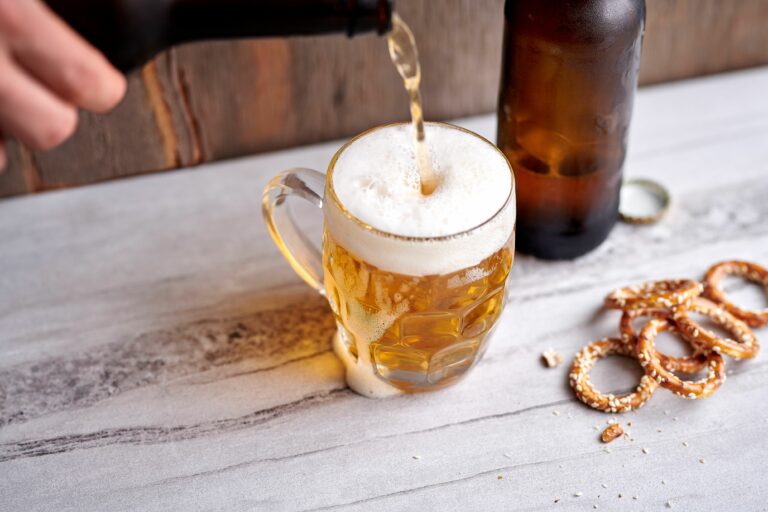
Mark Dredge, beer presenter and ambassador to the “More Than Only Food & Drink” campaign, says: “Alcohol-free beer is the most established part of the low and no-alcohol market, but operators should consider offering a choice of styles rather than relying on one familiar lager.
“Europe’s brewing traditions provide plenty of inspiration. Germany and Spain are particularly strong in crisp, balanced alcohol-free lagers, while German brewers also produce alcohol-free wheat beers with notes of citrus, banana and spice, as well as refreshing citrus-led radlers.
“For guests looking beyond familiar styles, Dutch and Danish craft brewers are experimenting with fermentation techniques and different ingredients to produce flavour-led alcohol-free pale ales and IPAs. Ireland’s stout tradition is also being translated into alcohol-free beers with roasted malt and coffee notes, a dark colour and a creamy mouthfeel.
“One particularly relevant protected example is Münchener Bier PGI from Germany. Its specification includes both non-alcoholic beer and non-alcoholic wheat beer below 0.5% ABV. These beers must meet the same core quality requirements as full-strength Münchener Bier PGI, demonstrating that alcohol-free choices can retain a strong connection to established European brewing traditions.
“When people go out, they still want to have a nice drink and drinking experience, so there’s scope to introduce them to more interesting alcohol-free beers. These might be more premium, so they can also appeal to the non-drinker who wants to have something more special.”
“A considered selection could combine an accessible Spanish 0.0% lager with a German alcohol-free wheat beer, a Dutch or Danish pale ale and an Irish alcohol-free stout. These styles also provide opportunities for food pairing: wheat beer can accompany seafood and mildly spiced dishes, while stout can work with slow-cooked meat, mature cheese or chocolate desserts.
“How the selection is presented matters too. Alcohol-free beers should be clearly displayed on menus and in fridges, supported by concise tasting notes and confident staff recommendations. Offering an alcohol-free beer on draught can create an even more inclusive experience for guests who do not want to draw attention to the fact that they are moderating or abstaining.
“A varied selection can also help venues attract guests for lunch and earlier daytime occasions, extending the opportunity well beyond an evening visit or a single month.”
Wine: combine alcohol-free innovation with naturally lighter styles
“Wine has traditionally presented a greater technical challenge than beer because removing alcohol can also remove flavour, body and aroma, explains Neil McAndrew, wine consultant and campaign advisor. “However, improvements in dealcoholisation techniques are rapidly expanding the quality and variety available.
“Venues can now explore dealcoholised German Riesling with citrus, apple and refreshing acidity; alcohol-free Spanish Muscat with floral, peach and citrus notes; and European 0.0% sparkling wines suitable for aperitifs, celebrations and food-pairing menus. Alcohol-free rosé and red styles from established European wine-producing countries can add further breadth.
“The range and success of low and no-alcohol wines continue to grow as quality improves and more established and innovative producers enter the market with new products.
“Portugal’s Tejo PGI provides a concrete example of how an established European wine region is responding to moderation. Its rules now allow “Leve”, or light, wines with an ABV of between 7.5% and 10.5%, as well as partially dealcoholised wines with a minimum ABV of 0.5%, to retain Tejo PGI status. This allows operators to offer lighter wines with regulated regional provenance rather than treating moderation and authenticity as separate propositions.
“Alongside dealcoholised products, naturally lighter protected wines can provide further choice for guests who are cutting back rather than abstaining. Dolcetto d’Asti PDO from Piedmont, for example, is typically around 5-6% ABV, combining gentle bubbles with floral, peach and citrus notes. It can be served in a smaller glass as an aperitif or paired with fruit-led desserts.
“German Kabinett Riesling can offer another lighter option, although alcohol levels vary and should always be clearly communicated. These wines are not alcohol-free, but they can form part of a broader menu that accommodates different approaches to moderation.
“Operators can provide further flexibility by making 125ml wine measures more prominent, creating small tasting flights or offering half-glass pairings with individual courses. Rather than grouping alcohol-free wines at the bottom of a separate section, venues could list them alongside comparable conventional styles, supported by a clear ABV, tasting note and food-pairing recommendation.
Spirits: more choice in strength, size and style
For spirits and cocktails, mindful drinking is not only driving demand for alcohol-free alternatives. It is also changing the way drinks are served, with guests seeking smaller cocktails, reduced measures and lower-strength long drinks that retain flavour and a sense of occasion”, Kristiane Westray, spirits writer, educator and ambassador to the “More Than Only Food & Drink” campaign, explains.
“The drive to drink less, for whatever reason, isn’t just driving low and no, it’s resulting in smaller serve sizes, too.
“Miniature cocktails provide one way for venues to respond. A half-sized Negroni-style cocktail, Martini or other short serve allows guests to enjoy the full flavour and presentation of a classic drink while consuming a smaller quantity.
“A separate opportunity lies in Spritzes and highballs. Although these are longer serves, they can contain less alcohol when made with a reduced measure of the alcoholic base, or no alcohol at all when created with 0.0% alternatives.
“The Spritz is particularly well suited to this approach. While commonly associated with summer, its combination of a bitter or botanical base, bubbles and garnish can be adapted for every season. For an alcohol-free autumnal Spritz, operators can combine a 0.0% bittersweet aperitivo or vermouth alternative with soda or alcohol-free sparkling wine, balanced with citrus, herbs or a lightly spiced syrup. Orange, rosemary, sage, apple and warming spices can provide seasonal character without making the drink excessively sweet.
“Protected EU aperitifs can provide further possibilities for guests moderating rather than abstaining. Vermouth di Torino GI, a protected aromatised wine from Italy, is lower in strength than distilled spirits and can be served in a reduced measure with tonic or soda. Its botanical character ensures that the finished drink retains flavour and a sense of occasion, despite containing less alcohol than a conventional spirit-led cocktail.
“There is also scope to explore alcohol-free botanical drinks featuring juniper, anise, herbs and spices, drawing inspiration from Europe’s aperitif and distilling traditions. These can be combined with soda, tonic or 0.0% sparkling wine to create distinctive Spritzes and highballs for guests avoiding alcohol completely.
“Whatever the size or strength, quality should remain the priority. An unusual ingredient or attractive garnish may encourage a first order, but flavour determines whether a guest orders the drink again. Good glassware, ice, mixers and presentation can ensure that an alcohol-free Spritz, reduced-measure highball or miniature cocktail feels like a considered choice rather than a compromise.”
For more information please visit the website or contact: morethanfood_UK@agripromotion.eu
ENDS