
- 22% said the main reason they had never given blood was that they had never been asked or invited – the top barrier overall
- 37% said they would feel more comfortable donating if it were part of a church outreach or local health event
- 42% said more education about the health benefits and safety of donation would encourage them to give
- 80% believe faith-based organisations should play a role in public health campaigns –a belief UCKG is now turning into action
“Our survey tells a hopeful story,” said Bishop Allan Passos of UCKG. “The biggest reason people haven’t given blood isn’t fear – it’s simply that no one ever asked them. That’s something we can change. Faith is not only what we believe; it’s what we do. This National Blood Week, we want every one of our branches to be a place where giving blood feels natural, safe and welcome – and we want to beat last year, when 700 of our members donated.”
Nancy Kasita, UCKG Community Outreach Manager, added: “When people tell us they’ve never been invited, that’s not a problem – it’s an opportunity. People trust their church and their community, and that trust is exactly what turns hesitation into action. We’re also removing the practical barriers, helping members find their nearest donor centre and book an appointment, so that taking the first step is as easy as possible.”
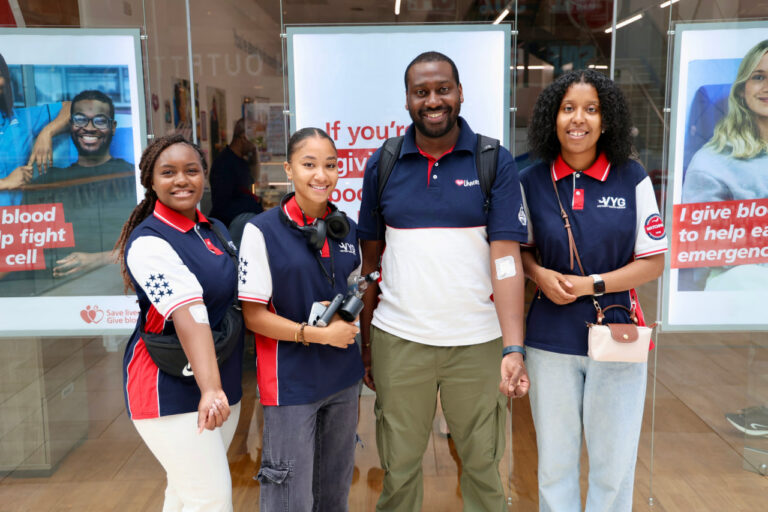
Samantha Dixon, a UCKG member, gave blood for the first time as part of the church’s drive. Like so many of those surveyed, she had simply never been invited.
“Honestly, it had just never crossed my mind – no one had ever asked me,” she said. “When my church got behind it, that was the push I needed. I booked an appointment at the Westfield Donor Centre and went along not really knowing what to expect.”
The experience changed her view entirely. “What a wonderful experience. The staff were brilliant, it was over before I knew it, and afterwards I found out my blood type – O negative – is especially rare and used in emergencies because it can be given to anyone.”
Around 8% of the population has O negative blood, yet it accounts for a far greater share of the blood that hospitals and first responders rely on in emergencies – making donors like Samantha especially valuable.
“It felt powerful to do something so simple, yet so life-saving,” she added. “Now I tell everyone – if you’ve never been asked, take this as your invitation.”
This National Blood Week, and ahead of World Blood Donor Day on Sunday 14 June, UCKG is calling on churches, community groups and local leaders across the UK to do one simple thing: ask. Whether by hosting an information session, inviting NHS Blood and Transplant to speak, or simply starting a conversation, every invitation could help turn a willing bystander into a lifesaving donor.
ENDS