
Findings at a glance:
· 42% of Brits have refused a cup of tea from someone else because of how it was made
· We don’t like how our mates make tea – 29% have said no to a brew at a friend’s house
· Top tea making icks: too much milk (29%), tea not brewed long enough (29%), reusing a teabag (24%), tea served cold (21%)
· 85% of Brits think they make the perfect cup of tea, yet 70% are under-brewing it
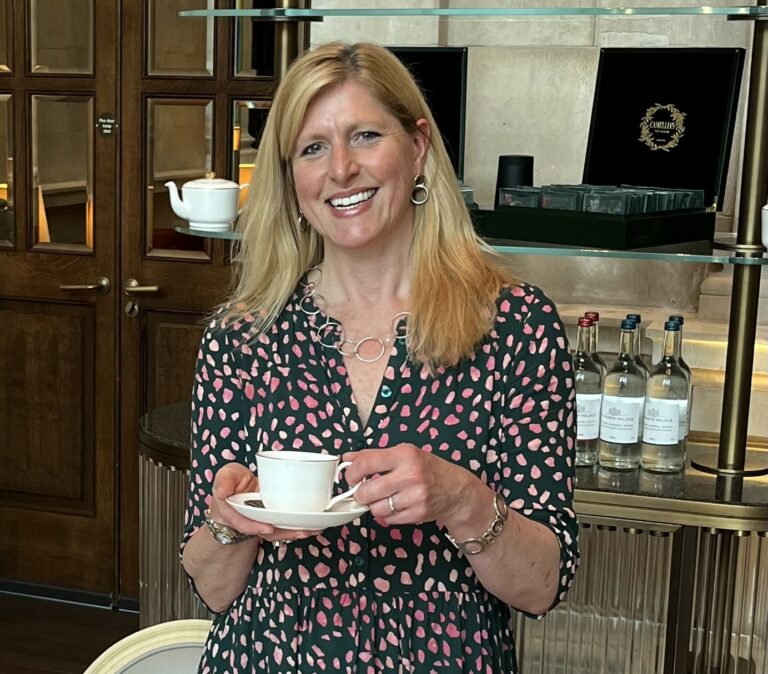
· Britain has lost the art of tea making says leading UK tea sommelier
LONDON, UK. May 20th, 2026 – There is nothing more British than a cup of tea, but it turns out that if someone else is making it we would rather they didn’t bother according to new research released for International Tea Day 2026 (21st May).
The survey of 2,000 UK adults* commissioned by kitchen appliance innovator, CASO Design, has revealed the common brewing mistakes that are so off-putting that four in ten (42%) Britons have refused a cuppa from a friend, family member or colleague.
Topping the list of tea-making icks is using too much milk (29%), closely followed by a weak, under-brewed cuppa (28%). Perhaps unsurprisingly a reused teabag was cited by almost a quarter of Brits as a big tea making no-no, with a cold cuppa (21%) and overly strong tea (18%) also on the list of biggest turn-offs.
We Would Rather Accept a Brew from a Stranger Than a Friend
Of those who have turned down a cup of tea, nearly three in ten people (29%) say they are most likely to turn down a cuppa from a mate, making friends the nation’s least-trusted tea makers. Work colleagues (24%) and siblings (23%) also feature high on the list of dubious brewers. In fact, Brits are more likely to accept a cup of tea from a complete stranger (17%) than from their own family.
Only bosses escape real scrutiny – just 8% would turn down a tea from their manager, suggesting that when it comes to the office hierarchy, people may be suffering in silence.
Younger drinkers are the toughest critics: 54% of 25 to 34-year-olds have refused a brew. Men are fussier than women (45% versus 38%), though whether that reflects higher standards or lower diplomacy is up for debate.
Hygiene was the number one reason (38%) why people decide to reject a brew from someone else; followed by their tea notoriously being too milky (36%), too weak (30%), or a simple lack of confidence in the maker’s abilities (22).
Are Brits Over Confident in their Own Tea Making Skills?
Despite being quick to judge when someone else makes their tea, Brits remain highly confident in their own abilities. A striking 85% of people believe they make the perfect cup of tea, yet the data suggests many are guilty of the very same mistakes they criticise in others.
More than half (57%) admit to pressing the teabag against the side of the mug, a habit that can release bitter tannins and impair the taste of the tea; while 27% add milk before the tea has finished brewing, preventing it from developing properly. Meanwhile, 14% say they re-boil the same water multiple times throughout the day, a habit that can affect flavour, and a fifth (21%) use boiling water for delicate herbal teas, effectively scalding them.
Perhaps most striking is that 70% of Britons are not letting their tea brew for long enough, despite weak tea being one of the biggest complaints when someone else makes it for them. One in ten are leaving the tea bag in for less than 30 seconds, whilst a third (33%) are only brewing their tea for a maximum of a minute. Only 14% follow the recommended two to three minutes. Women are slightly more likely to under-brew than men, at 73% compared to 66%, although both figures point to a widespread lack of patience.
Carri Hecks, leading UK tea sommelier and tutor at UK Tea Academy said: “We all know what we like and like what we know when it comes to tea. Whether it’s strong but milky, tea you can stand your spoon up in or simply waving the teabag near the cup, everyone has their own idea of the perfect brew. A cup of tea is a comfort blanket for many people and how it tastes is incredibly important to them, which is why people can be so particular when someone else makes it.
“That’s also why there can be such a discrepancy between people believing they make the perfect cuppa and some of the habits that suggest otherwise. It’s a bit like asking people whether ketchup, brown sauce or mustard belongs on a full English breakfast, everyone is convinced their way is the right way. The same applies to tea. People become attached to habits and routines because they deliver a sense of familiarity and comfort, even when, in reality, those habits might compromise flavour.
“As a tea purist, I’d say we started to lose the art of tea making the moment we stepped away from teapots and loose leaf tea. Tea became less of a ritual and more about speed and convenience – dunking a bag in a mug for a few seconds, adding milk and moving on with the day.
“In many ways, it mirrors what happened with bread. Convenience took over and quality slipped. But just as people have rediscovered sourdough and slower methods of baking, there’s now an opportunity to rethink how we approach tea and start valuing the process again.
“That doesn’t mean going backwards. Tea making is evolving, and modern technology is becoming part of that evolution. People are time poor, so there’s growing interest in tools that help deliver more consistency, quality and precision without slowing everything down.”
Chloe King, Kitchen Appliance Specialist from CASO Design said: “Making a good cup of tea isn’t complicated, but it does require more care and consistency than many of us are giving it. Small details like water temperature, brew time and water freshness have a real impact on the final cup, yet they’re often overlooked in our busy lives. As a result, people can quickly earn a bad reputation for their tea-making without realising why.
“Time, in particular, seems to be where our brewing habits are falling short. The data shows that people are increasingly rushing the process, whether that’s not allowing the tea to brew properly, adding milk too soon or repeatedly re-boiling water throughout the day.
“The kettle has long been a staple of the kitchen, but we’re now seeing a shift towards technology that offers a more precise and consistent way to prepare hot drinks at home. Innovations like CASO Design’s hot water dispensers are growing in popularity because they’re designed to fit into busy routines, delivering the right temperature and volume every time while removing the guesswork. Ultimately, it’s about getting the basics right. And that’s what truly elevates a good cup of tea.”
Carri Hecks shares her top tips for the perfect cup of tea:
1. Use freshly drawn filtered water – this can make a huge difference to tea. Tap water is full of chlorine which will affect the flavour. Both hard and soft water also affects how the tea brews. CASO Design’s hot water dispensers have a built-in filter which will instantly improve the taste of your tea because chlorine and pollutants are removed.
2. For the best flavour – use loose leaf tea or at least a larger cut tea in a pyramid bag. Small cut tea gives you strength but lacks nuance of flavour. And branch out. Try something new – if you are a diehard English Breakfast tea drinker, why not go for a pure Assam or a 2nd Flush Darjeeling? Brew at 95c for about 2-3 mins and give the milk a miss, just to see. You will be amazed at the flavour profiles you experience.
3. Use the right water temperature for the type of tea you’re brewing. For instance, green tea needs to be brewed cool – around 70 degrees, much cooler than black tea. The antioxidants and caffeine in tea are soluble in hot water, so the hotter you brew the tea, the more are released and they taste bitter. CASO Design’s hot water dispensers can dispense hot water from 40 to 100 degrees, ensuring the perfect temperatures for all different types of tea.
Guidelines for the four main categories are:
· White tea – 80c (3-4mins)
· Green Tea – 70c (2-3mins)
· Oolong – 90-95c (3mins)
· Black – 95c (2-4mins)
· Herbal infusions – 100c (3-5mins)
4. Brew the tea for the right amount of time – too little and you won’t bring out all the wonderful flavour profiles. Too long and you’ll over power them with too much bitterness. Most teas work at 3 mins with black teas needing a bit longer if you want to put milk in.
5. Take your time, good tea is worth the wait. We’re all happy to wait for our coffee to brew or be made in a cafe, but we’re so used to dunking a bag in the cup and sploshing in some milk, we don’t associate tea with patience. Tea has a magic ingredient in it, L-Theanine. An amino acid which sends alpha waves to the brain and calms you down. Lower caffeine levels and this calming effect, gives you a gentle lift instead of the jitters.
ENDS