
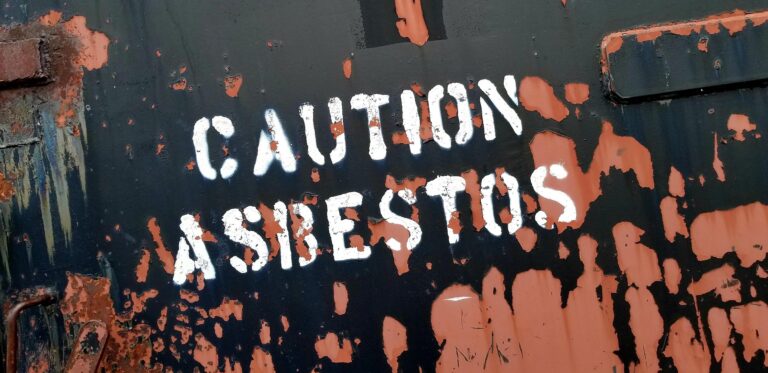
BRISTOL, UK. September 23rd, 2026 – New figures highlighting the continued human cost of asbestos exposure should serve as a wake-up call for businesses and property owners across Great Britain, according to nationwide asbestos removal specialists, Shield Services Group.
Around 5,000 people die from asbestos-related diseases every year in Great Britain, according to HSE estimates. 126 workers were killed in work-related accidents in 2025/26, highlighting the scale of the less visible threat posed by occupational disease. 2,146 people died from mesothelioma in 2024 alone, a cancer strongly associated with past asbestos exposure, with many current deaths resulting from exposure that occurred decades ago.
Asbestos was banned in the UK in 1999, yet asbestos-containing materials remain present in many older commercial, industrial and public buildings. The danger has not disappeared: asbestos can present a serious risk when materials are damaged or disturbed during maintenance, refurbishment and demolition work.
While the figures measure different categories and periods, the scale of the difference demonstrates the enormous and often less visible legacy of asbestos exposure.
Paul Lillis, Asbestos Managing Director at Shield Services Group, said: “The fact that thousands of people continue to lose their lives to asbestos-related disease every year shows why we cannot afford to become complacent. Asbestos may have been banned decades ago, but it remains within buildings across the country and must continue to be identified and managed properly.”
HSE figures demonstrate how dramatically Britain has improved its record on fatal workplace accidents over the longer term. The 126 worker deaths recorded in 2025/26 compared with 217 twenty years earlier and 495 in 1981. However, occupational diseases caused by historic exposure remain a major challenge.
Asbestos is a particularly difficult legacy because diseases associated with exposure typically take many years to develop. HSE says widespread historical use of asbestos-containing products, particularly within the post-war building industry, contributed to the substantial number of asbestos-related disease deaths seen in Britain today.
ENDS