
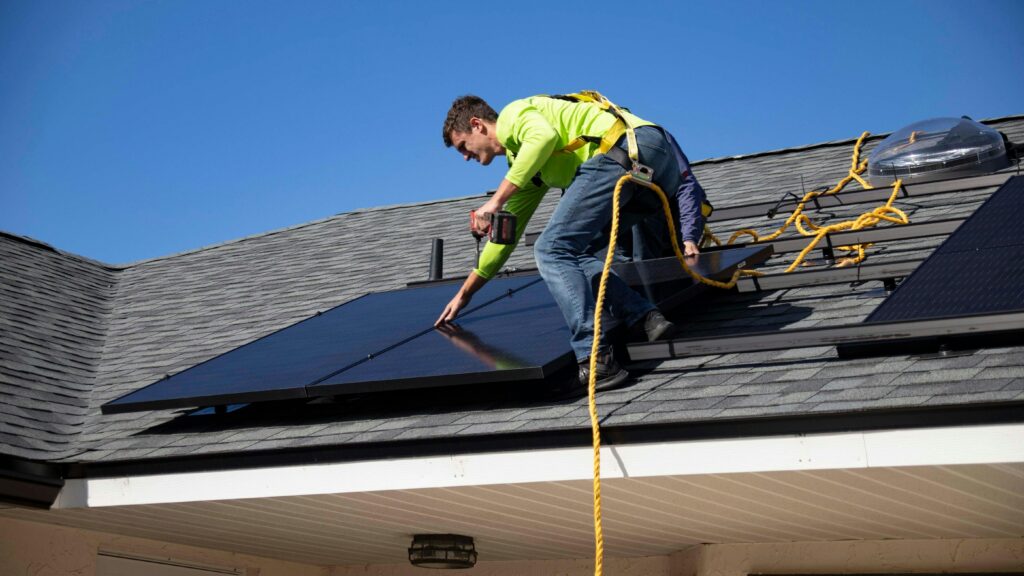
London, UK 27th January 2026 – England and Wales saw a record 159k domestic solar panel installations in 2025, a 19% jump on the 133k completed in 2024, according to new analysis* from renewable energy experts Switch Together. The figures come just a week after the government unveiled its new Warm Homes Plan which is expected to boost solar panel adoption rates further in the coming years.
The figures make 2025 the strongest year on record for domestic solar adoption. Switch Together says the growth arrives at a pivotal moment, as the UK government intensifies its focus on renewable energy, household decarbonisation and improving access to solar technologies.
Under the Warm Homes Plan, households will benefit from substantial funding to install solar panels, batteries, heat pumps and insulation – support designed to cut energy bills and boost energy independence.
George Frost, UK Head of Switch Together, said: “We’ve seen a real jump in activity across the domestic renewables sector over the past 18 months. Households want to reduce bills, cut carbon emissions and gain greater control over their energy use – and solar is now one of the most accessible ways to achieve all three.
We’re seeing demand from every part of the country as solar becomes a mainstream choice. Installation costs are falling, battery storage is growing and flexible finance options are helping more families make the switch. Many families are motivated not just by lower bills but also by the desire for long-term resilience, allowing them to generate and store their own clean energy.
The Warm Homes Plan is a major boost and could help millions of households. The next step is making sure people understand what support is available and how to access it.”
Further government changes already announced will require all newly built homes to include rooftop solar panels from 2027, creating a long-term boost for solar adoption. The government’s broader commitment to clean energy, including the establishment of Great British Energy, aims to unlock investment, drive job creation and accelerate progress toward national decarbonisation goals.
*Analysis collated from MCS data (as of 27th January 2026)
ENDS